




A bank rejection rarely feels neutral. It usually comes at a moment when you actually need capital, not just want it. Maybe you were planning to expand, hire, or simply stabilize cash flow. Instead, you get a polite decline and very little explanation.
It is easy to take that personally. But in most cases, the rejection says more about how banks are structured than how your business is performing.
Banks are designed to favor certainty. They reward predictability, long track records, and clean financial histories. Real businesses, however, do not always operate in neat patterns. Growth can be uneven. Cash flow can fluctuate. Opportunities do not wait for perfect timing.
That gap between how businesses operate and how banks evaluate them is exactly where specialty financing starts to make sense.
Why a Strong Business Can Still Get Declined
If you step back and look at the approval process, it becomes clear why so many capable businesses get turned away.
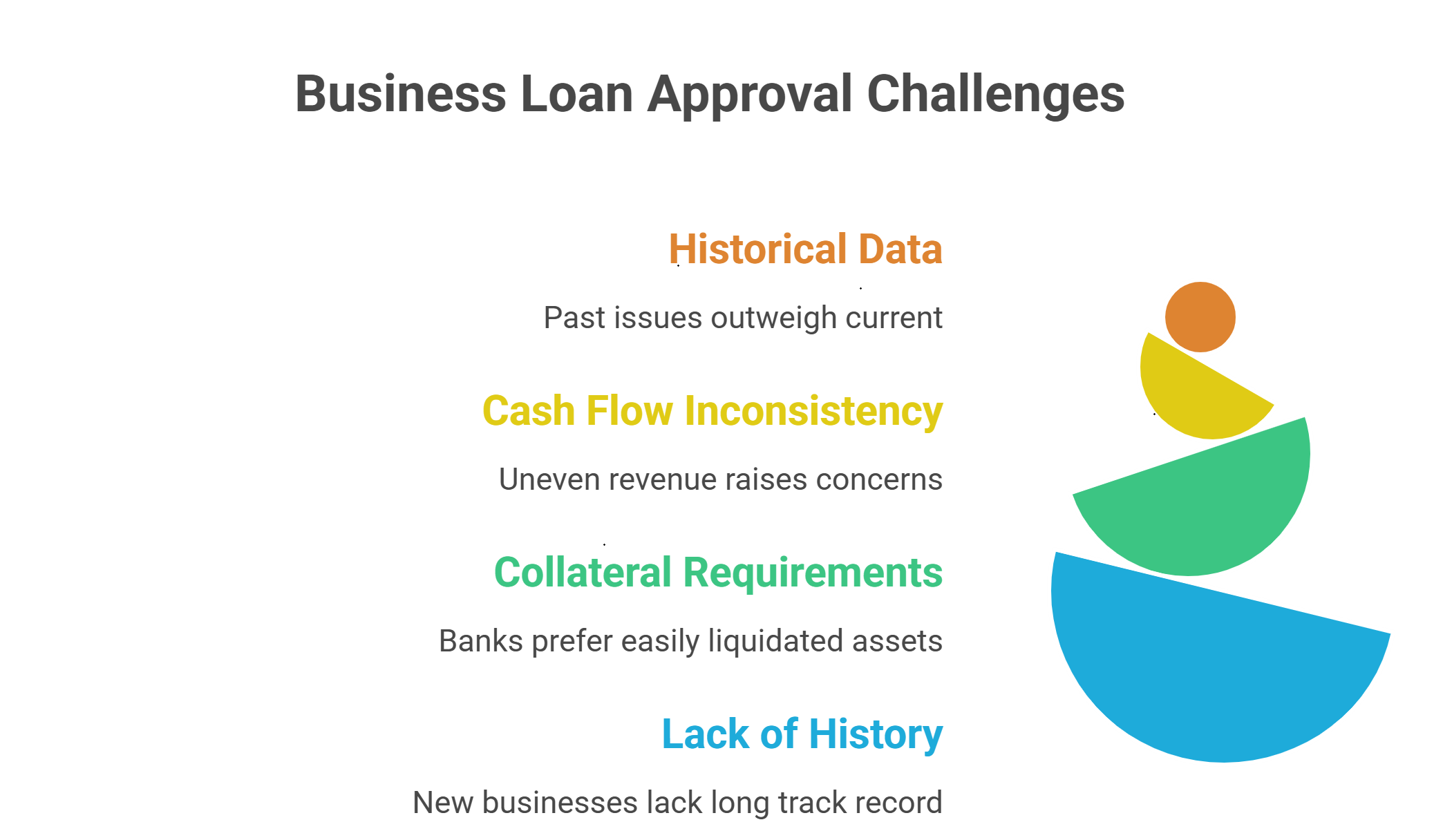
Banks tend to focus heavily on historical data over current momentum. If your credit had issues two years ago, that can still outweigh strong performance today. For a growing business, that disconnect can be frustrating.
Then there is cash flow consistency. You might be generating solid revenue overall, but if it comes in waves rather than evenly, it can raise concerns in a traditional underwriting model. From the inside, you know those cycles are normal. From the outside, they can look like instability.
Collateral is another hurdle. Many businesses are valuable, but that value is often tied up in things like receivables or inventory. Banks usually prefer assets they can easily liquidate, which puts many otherwise healthy companies at a disadvantage.
And of course, time plays a role. If your business is relatively new, even strong early performance may not be enough to offset the lack of a long financial history.
None of these factors necessarily mean your business is risky. They simply mean it does not fit the bank’s preferred profile.
Looking Beyond Traditional Lending
This is where the conversation needs to shift. Instead of asking how to meet bank requirements, it is often more productive to ask what type of financing actually fits your business model.
That is the core idea behind specialty financing.
Rather than forcing your business into a rigid framework, these solutions adapt to how you operate. They look at what is happening now, not just what happened in the past. They focus on activity, movement, and tangible value inside your business.
That approach opens up options that feel far more practical.
Turning Existing Value Into Working Capital
One of the most overlooked realities in business is how much value sits unused. It is there, but it is not liquid.
This is exactly what Asset based Lending addresses.
Instead of relying purely on credit, this approach allows you to leverage assets you already have. That might be inventory sitting in a warehouse, equipment you use every day, or receivables that are due to be paid.
What makes this powerful is the shift in perspective. You are not being evaluated based on past financial snapshots. You are being evaluated based on what your business currently holds and generates.
For example, a company with significant inventory might struggle with cash flow simply because that value is locked up until products are sold. With Asset based Lending, that same inventory becomes a source of immediate capital.
It is a more grounded way of thinking about financing. You are not asking for trust alone. You are showing real, measurable backing.
Fixing the Cash Flow Timing Problem
If there is one issue that quietly affects almost every business, it is the delay between doing the work and getting paid for it.
You can be profitable on paper and still feel constant pressure if your cash is tied up in invoices.
This is where working with an accounts receivable financing company can make a noticeable difference.
Instead of waiting for customers to pay, you access a portion of that cash upfront. The structure is simple, but the impact is significant. It aligns your cash inflow with your actual operating needs.
What changes is not just your balance sheet, but your day to day decision making. When cash flow becomes more predictable, you can plan with more confidence. You are less reactive and more in control.
For businesses that deal with long payment cycles, this shift can remove a surprising amount of stress.
When You Want Less Involvement in Collections
Some business owners are comfortable managing receivables internally. Others would rather not spend time following up on payments.
In those cases, a factoring accounts receivable company offers a slightly different approach.
Instead of advancing funds against invoices, factoring involves selling those invoices. The factoring provider then takes over the collection process.
This does two things. First, it provides immediate liquidity. Second, it removes a task that can be both time consuming and awkward.
There is also a subtle operational benefit. When collections are handled consistently by a third party, payment patterns often improve. Customers tend to respond differently when there is a structured system in place.
It is not just about speed. It is about creating a smoother financial rhythm.
Investing in Growth Without Slowing Yourself Down
Growth usually requires some level of investment. Equipment, in particular, can be a major expense.
The challenge is that paying for it upfront can limit your ability to manage other parts of the business.
This is where the best equipment financing companies tend to stand out. They structure financing around the asset itself, which makes approvals more accessible and keeps your working capital intact.
Instead of delaying a purchase or stretching your cash too thin, you spread the cost over time while still benefiting from the equipment immediately.
That balance is important. Growth should not come at the expense of stability. The right financing structure allows you to move forward without creating unnecessary pressure elsewhere.
The Advantage of Speed and Flexibility
Another factor that often gets underestimated is timing.
Traditional lending processes are not built for urgency. They involve multiple layers of review, documentation, and approvals. By the time funds are available, the original need may have evolved or even passed.
Specialty financing tends to operate differently. Decisions are made faster, and funding is typically more responsive to immediate needs.
That speed does not just solve problems. It creates opportunities. When you can act quickly, you are in a better position to take on new projects, negotiate better terms, or handle unexpected challenges.
Just as important is the flexibility. These solutions are not one size fits all. They can scale, adjust, and evolve as your business changes.
Rethinking What a Rejection Means
It is natural to see a loan denial as a setback. But in many cases, it is simply a signal that the path you chose was not the right fit.
There is a difference between being unqualified and being mismatched.
Banks serve a purpose, but they are not designed for every type of business or every stage of growth. When you start looking at financing through that lens, the rejection feels less like a dead end and more like a redirection.
Moving Forward With More Control
The real advantage of specialty financing is not just access to capital. It is the ability to structure that capital around how your business actually operates.
Whether you are leveraging assets, unlocking cash from receivables, or financing equipment in a more strategic way, the goal is the same. You want funding that supports your decisions, not restricts them.
A bank may have said no. That does not mean your business is stuck.
In many cases, it means you are about to find a solution that works better.