




In today’s competitive economy, growth opportunities can appear overnight. Whether it’s expanding operations, purchasing equipment, hiring talent, or managing cash flow, businesses need reliable funding to scale efficiently. This is where commercial lending becomes a powerful growth catalyst.
From startups to established enterprises, access to capital allows businesses to move quickly, stay competitive, and build long-term financial stability. Companies that strategically use commercial financing often grow faster than businesses relying solely on internal cash reserves.
According to recent industry reports, small businesses that secure external financing are significantly more likely to expand operations, increase revenue, and improve employment growth within the first few years. As economic uncertainty and operational costs continue to rise, commercial lending solutions are becoming essential tools for sustainable scaling.
Understanding Commercial Lending
Commercial lending refers to financing solutions designed specifically for businesses rather than individuals. These loans help companies fund operations, expansion, inventory purchases, payroll, technology upgrades, marketing campaigns, and other growth-related activities.
Unlike traditional consumer loans, commercial financing is structured around business revenue, assets, and future growth potential.
Some common forms of commercial financing include:
- Term loans
- Lines of credit
- Equipment financing
- Invoice financing
- SBA loans
- Merchant cash advances
- Asset-backed financing solutions
Businesses across industries use these funding solutions to maintain momentum and capitalize on opportunities without disrupting daily operations.
Why Scaling a Business Requires Capital
Growth often demands significant upfront investment. Even profitable businesses can face liquidity challenges while waiting for customer payments or managing seasonal fluctuations.
Scaling typically requires funding for:
- Hiring additional employees
- Purchasing inventory
- Expanding facilities
- Launching new products
- Increasing production capacity
- Investing in marketing campaigns
- Upgrading technology and infrastructure
Without adequate funding, businesses may struggle to seize opportunities quickly enough to stay ahead of competitors.
Commercial lending bridges this gap by providing immediate working capital that fuels expansion while preserving operational flexibility.
The Role of Commercial Lending in Faster Business Growth
Accelerating Cash Flow
Cash flow is the backbone of any growing business. Delayed customer payments, unexpected expenses, or seasonal downturns can restrict operational growth.
Financing solutions help businesses stabilize cash flow so they can continue operating smoothly without interruptions.
For example, many companies partner with Account Factoring Companies to convert unpaid invoices into immediate cash. Rather than allowing unpaid invoices to slow operations, businesses can unlock immediate cash flow to support expansion, cover operational expenses, and pursue new growth opportunities.
This approach is especially valuable for industries like manufacturing, logistics, staffing, and wholesale distribution where invoice cycles are lengthy.
Supporting Expansion Opportunities
Business expansion often requires rapid decision-making. A company may need to open a new location, acquire equipment, or secure larger inventory orders before competitors act.
Commercial loans provide the financial agility necessary to move quickly.
For instance, a regional retailer experiencing increased customer demand may use financing to expand warehouse capacity and hire additional staff ahead of peak sales seasons. Without external funding, scaling at the required pace may not be possible.
Enabling Technology Investments
Modern businesses depend heavily on technology for efficiency and competitiveness.
Commercial lending can help companies invest in:
- Automation software
- Cybersecurity systems
- Cloud infrastructure
- AI-powered analytics tools
- E-commerce platforms
- Customer relationship management systems
These upgrades often improve productivity, reduce operating costs, and enhance customer experiences, ultimately driving long-term growth.
How Small Businesses Benefit from Commercial Financing
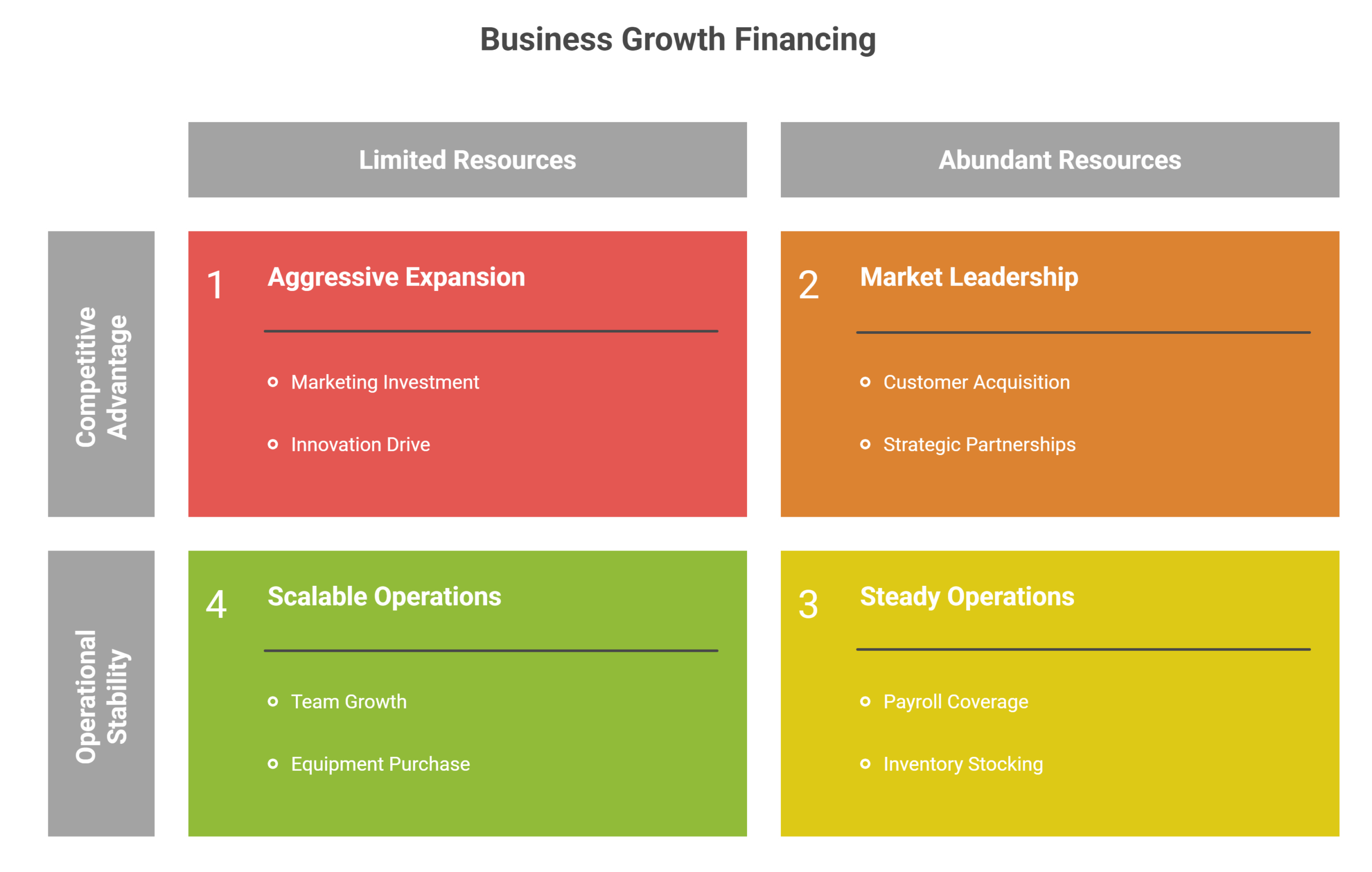
Small businesses often face greater financial barriers than large corporations. Limited reserves and inconsistent cash flow can make expansion difficult.
Fortunately, financing solutions tailored for entrepreneurs are becoming more accessible nationwide.
Many growing companies rely on Small Business Loans USA programs to secure working capital, purchase equipment, or expand operations. These loans help businesses strengthen their market presence without sacrificing ownership equity.
Key Benefits for Small Businesses
Improved Operational Stability
Access to financing helps businesses cover payroll, rent, inventory, and supplier payments during slower revenue periods.
Faster Hiring and Team Growth
Growth requires talent. Funding allows businesses to recruit skilled employees and build stronger teams without delaying expansion plans.
Better Inventory Management
Businesses can maintain optimal inventory levels, reducing stock shortages and improving customer satisfaction.
Increased Competitive Advantage
Companies with access to capital can invest in marketing, innovation, and customer acquisition strategies more aggressively than competitors operating with limited cash reserves.
Industry Trends Driving Commercial Lending Growth
The commercial lending landscape has evolved rapidly over the past decade. Digital transformation and alternative financing models have expanded access to funding for businesses of all sizes.
Rise of Alternative Lenders
Traditional bank approvals can take weeks or months. Alternative lenders now offer faster approval processes and flexible qualification requirements.
This trend has made financing more accessible to startups and businesses with limited credit history.
Data-Driven Underwriting
Modern lenders increasingly use real-time business data rather than relying solely on credit scores.
Revenue analytics, payment histories, and operational performance metrics help lenders make faster and more accurate financing decisions.
Increased Demand for Flexible Funding
Businesses today prefer financing structures that align with their cash flow cycles.
Flexible repayment options, revolving credit facilities, and invoice-based funding have become increasingly popular among growing companies.
Asset-Based Financing: A Strategic Growth Tool
Businesses with valuable assets can unlock additional capital through secured financing solutions.
Many companies use Asset Based Lending Services to leverage inventory, accounts receivable, equipment, or other assets as collateral for funding.
This financing strategy can provide larger credit limits compared to unsecured loans while offering lower interest rates.
Advantages of Asset-Based Financing
Higher Borrowing Capacity
Businesses can secure funding based on asset value rather than relying solely on profitability or credit history.
Better Cash Flow Management
Asset-backed financing improves liquidity and helps businesses maintain operational continuity during growth phases.
Flexible Use of Funds
Companies can use funds for acquisitions, restructuring, payroll, expansion, or inventory purchases.
Faster Access to Capital
Since loans are secured by assets, approval timelines are often shorter than conventional financing processes.
Real-World Example: Scaling Through Commercial Lending
Consider a manufacturing company experiencing rapid order growth from major retailers.
The business faces several challenges:
- Increased production demands
- Rising raw material costs
- Delayed customer payments
- Need for additional labor
Without external financing, fulfilling large orders could strain operations and damage customer relationships.
The company secures a commercial line of credit along with invoice financing support. This combination allows the business to:
- Purchase raw materials immediately
- Hire additional workers
- Expand production capacity
- Maintain healthy cash flow
Within one year, the company significantly increases annual revenue while strengthening relationships with national retailers.
This example highlights how strategic financing enables businesses to scale confidently without operational disruptions.
Common Challenges Businesses Face When Seeking Financing
Although commercial lending offers major advantages, businesses may encounter obstacles during the funding process.
Strict Qualification Requirements
Traditional lenders often require:
- Strong credit history
- Consistent profitability
- Extensive financial documentation
- Collateral assets
Newer businesses may struggle to meet these criteria.
High Interest Costs
Certain financing options, particularly short-term loans, may carry higher borrowing costs.
Businesses should carefully compare lenders and repayment structures before committing to financing agreements.
Cash Flow Risks
Improper debt management can strain cash flow if repayment schedules are not aligned with revenue cycles.
Limited Financial Planning
Some businesses pursue financing without a clear growth strategy, leading to inefficient use of funds.
How to Choose the Right Commercial Lending Solution
Selecting the right financing option requires careful analysis of business goals, cash flow patterns, and repayment capabilities.
Evaluate Your Business Needs
Determine whether funding is needed for:
- Short-term cash flow support
- Long-term expansion
- Equipment purchases
- Inventory financing
- Marketing initiatives
Matching financing structures to specific goals improves efficiency and financial stability.
Compare Lenders Carefully
Businesses should assess:
- Interest rates
- Approval timelines
- Repayment flexibility
- Customer support
- Industry expertise
Working with experienced commercial lenders can simplify the financing process and improve funding outcomes.
Understand Total Borrowing Costs
Beyond interest rates, businesses should review:
- Origination fees
- Processing charges
- Renewal costs
- Early repayment penalties
A lower advertised rate may not always represent the best overall financing solution.
Build a Strong Financial Profile
Maintaining organized financial records, improving cash flow management, and strengthening business credit can increase approval odds and secure better lending terms.
The Future of Commercial Lending
Commercial lending continues to evolve alongside changing business demands and technological innovation.
Several emerging trends are shaping the future of business financing:
- AI-powered risk analysis
- Automated loan approvals
- Embedded financing platforms
- Industry-specific lending programs
- Real-time cash flow monitoring
- Increased integration with accounting software
As financing becomes faster and more data-driven, businesses will gain greater access to customized funding solutions that support sustainable scaling.
Companies that proactively leverage financing tools will likely maintain stronger competitive positions in increasingly dynamic markets.
Best Practices for Using Commercial Loans Effectively
To maximize the value of commercial financing, businesses should adopt strategic borrowing practices.
Borrow With Clear Objectives
Every financing decision should support measurable business goals such as revenue growth, operational efficiency, or market expansion.
Monitor ROI Carefully
Track how borrowed capital contributes to profitability, productivity, and customer growth.
Avoid Overleveraging
Taking on excessive debt can create long-term financial strain. Businesses should maintain balanced borrowing levels aligned with revenue capacity.
Maintain Open Communication With Lenders
Strong lender relationships can improve access to future financing opportunities and create flexibility during challenging periods.
Conclusion
Commercial lending plays a critical role in helping businesses scale faster, improve operational efficiency, and remain competitive in today’s fast-moving economy. Whether companies need working capital, expansion funding, inventory financing, or technology investments, the right lending solution can unlock new growth opportunities while stabilizing cash flow.
From invoice financing to asset-backed funding, modern financing options provide businesses with the flexibility and speed needed to thrive in competitive markets. Companies that strategically use commercial lending often gain stronger financial positioning, improved scalability, and greater long-term resilience.
As the business landscape continues evolving, access to reliable capital will remain one of the most important drivers of sustainable growth.
Ready to Scale Your Business Faster?
If your business is looking for flexible funding solutions to support growth, expansion, or improved cash flow, now is the time to explore commercial lending opportunities. Partnering with an experienced financial provider can help you access the capital needed to grow confidently, seize new opportunities, and build long-term success.