




A tax lien can make securing funding seem impossible, but it doesn’t always prevent your business from accessing capital. Many business owners assume that once a tax lien appears on their record, every lender will reject their application. Fortunately, that’s not how today’s financing market works.
While a tax lien certainly influences lending decisions, many financial institutions look beyond a single financial challenge. Instead, they evaluate your company’s overall financial health, revenue stability, cash flow, and ability to repay. Businesses that continue to perform well despite tax obligations may still qualify for funding through flexible financing solutions.
As alternative financing continues to grow across the United States, more businesses are finding ways to secure working capital even while resolving tax-related issues.
What Is a Tax Lien?
A tax lien is a legal claim placed against your business when taxes remain unpaid. It allows government agencies to secure their interest until the outstanding tax balance is resolved.
Tax liens may result from unpaid federal, state, payroll, sales, or property taxes. Although they affect your financial profile, they do not necessarily mean your business is unsuccessful. Many growing businesses experience temporary cash flow challenges that delay tax payments without affecting their long-term potential.
Can You Still Get Business Financing With a Tax Lien?.
Traditional banks often have strict lending guidelines, but many providers specializing in Commercial Lending evaluate far more than your tax history. They recognize that businesses can recover from financial setbacks and often focus on whether your company has the financial capacity to repay new financing.
Rather than making an immediate decision based solely on a tax lien, lenders typically review your current business performance and future earning potential.
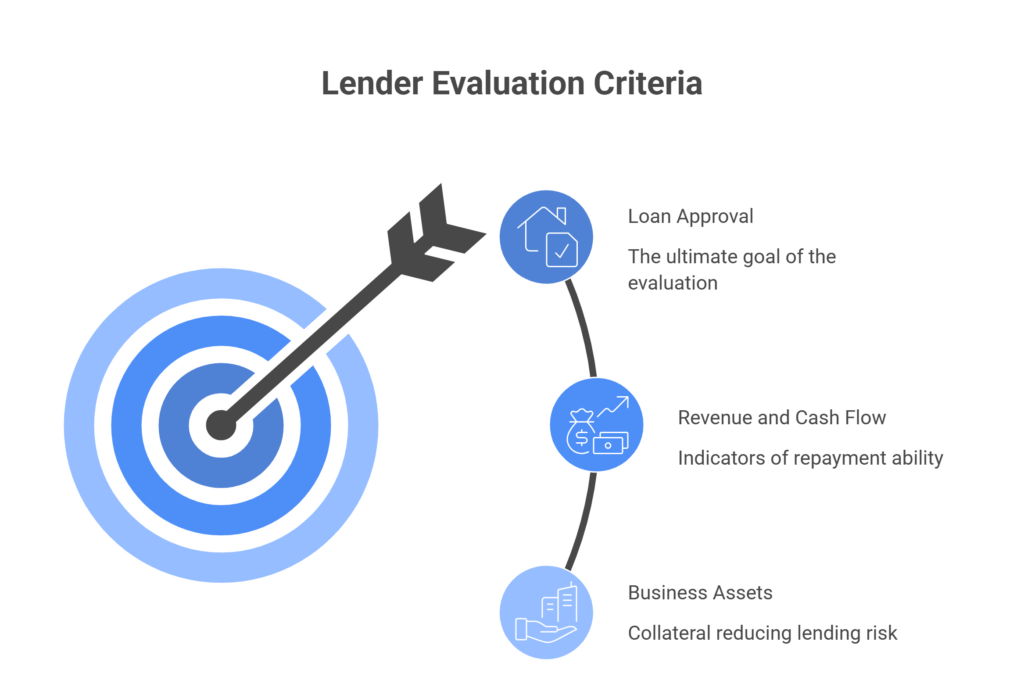
What Lenders Actually Look At
Revenue and Cash Flow
Consistent revenue and healthy cash flow are two of the strongest indicators of a business’s ability to repay financing. Even if your company has a tax lien, lenders are more confident when they see predictable monthly income and stable financial performance.
Businesses that experience delayed customer payments often strengthen their cash flow by working with AR Financing Companies, allowing them to convert unpaid invoices into immediate working capital.
Business Assets
Many lenders also evaluate whether your business owns valuable assets that can support financing. Equipment, inventory, accounts receivable, and commercial property all help reduce lending risk.
This is one reason Asset Based Lending has become an attractive financing solution for businesses with strong assets but temporary financial challenges.
Factors That Can Strengthen Your Application
| Factor | Why It Matters to Lenders |
|---|---|
| Consistent Revenue | Demonstrates repayment ability and business stability. |
| Positive Cash Flow | Shows the business can comfortably manage monthly obligations. |
| Valuable Business Assets | Provides collateral that lowers lending risk. |
| Tax Payment Plan | Indicates you’re actively resolving outstanding tax obligations. |
| Strong Customer Base | Creates confidence in future revenue generation. |
Does a Tax Payment Plan Help?
If you’ve established a formal repayment agreement with tax authorities, many lenders view this as a positive sign. It demonstrates that you’re taking responsibility for the debt while continuing to operate your business.
A payment plan also reduces uncertainty, making lenders more comfortable evaluating your financing request alongside the rest of your financial profile.
Financing Options That May Still Be Available
Invoice Financing
For businesses waiting on customer payments, Invoice Financing for Small Businesses can provide immediate access to working capital by leveraging outstanding invoices. Because financing is based largely on the value of your receivables, many lenders place greater emphasis on customer payment history than on a tax lien alone.
Asset-Based Financing
Companies with equipment, inventory, or receivables often qualify for financing secured by those assets. This option allows businesses to unlock capital without relying solely on traditional credit qualifications.
Working Capital Financing
Some lenders focus primarily on business performance and monthly cash flow instead of relying exclusively on credit scores. This makes working capital financing a practical solution for businesses that need funding while resolving tax obligations.
A Real-World Example
Imagine a wholesale distributor that fell behind on payroll taxes after several major customers delayed payments. The company received a tax lien, but it continued generating strong monthly revenue and maintained long-term customer relationships.
Rather than declining the application, a lender reviewed the company’s accounts receivable, cash flow, and business assets. Because the business demonstrated stable operations and had entered a tax repayment agreement, it qualified for financing that improved cash flow and allowed it to continue growing while paying down its tax debt.
This example highlights an important reality: lenders often evaluate the entire financial picture rather than making decisions based on one issue.
How to Improve Your Chances of Approval
Preparing before you apply can make a significant difference.
- Keep your financial statements organized and be transparent about your tax situation.
- Demonstrate stable revenue, healthy cash flow, and progress toward resolving your tax obligations.
These simple steps help lenders gain confidence in your business and improve your chances of securing financing.
The Business Financing Landscape Is Changing
Today’s lending environment is much more flexible than it was a decade ago. Alternative lenders increasingly evaluate real-time business performance, asset value, and cash flow instead of relying only on credit scores or isolated financial events.
This shift has created more opportunities for businesses with tax liens to obtain funding, provided they can demonstrate financial stability and responsible management.
Conclusion
A tax lien may create additional hurdles, but it doesn’t automatically prevent your business from securing financing. Today’s lenders look beyond tax records to evaluate revenue, cash flow, assets, and your overall financial strength. Businesses that continue to perform well, maintain valuable assets, and actively resolve tax obligations often have financing options available.
Understanding what lenders actually evaluate allows you to prepare a stronger application and choose financing solutions that align with your business goals.
Ready to Explore Your Financing Options?
Navigating business financing with a tax lien can seem challenging, but it doesn’t have to limit your opportunities. Understanding what lenders evaluate, maintaining strong financial records, and choosing the right financing solution can significantly improve your chances of approval.
If you’re exploring funding options, State Financial can help you better understand the financing solutions available for your business and guide you toward an option that aligns with your current financial situation and long-term goals.